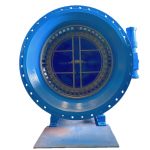
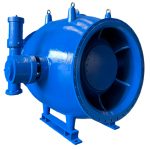
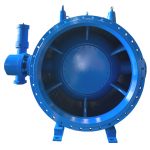
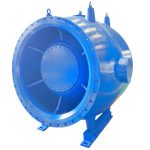
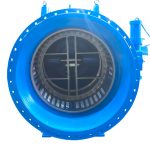
API 600 GB/T 12233 CE Certified DN1500 PN6 QT450 Ductile Iron Body 1Cr18Ni9 Stainless Steel Seat Flanged Connection Electric Actuated Flow and Pressure Control Valve by TIANYU
I. Product Overview & Core Specifications
The TIANYU flow and pressure control valve represents a pinnacle of precision engineering tailored for large-scale fluid management systems, specifically engineered to address the demands of high-flow, low-to-medium pressure applications. At its core, this valve is dimensioned to DN1500, a substantial nominal diameter that positions it as a critical component in municipal water distribution networks, large-scale hydraulic projects, and industrial process systems requiring significant volumetric throughput. Rated for a pressure class of PN6, it is optimized for operating pressures up to 0.6 MPa, making it ideal for scenarios where consistent pressure regulation and flow modulation are essential to prevent pipeline damage, ensure system stability, and maintain efficient fluid delivery.
The valve body is fabricated from QT450 ductile iron, a material renowned for its exceptional combination of high tensile strength, impact resistance, and corrosion resilience. QT450, conforming to GB/T 1348 and ISO 1083 standards, exhibits superior mechanical properties compared to traditional gray iron, with a minimum tensile strength of 450 MPa and elongation of 10%, enabling it to withstand cyclic pressure fluctuations, hydraulic shocks, and the abrasive effects of particulate-laden fluids. This material choice ensures the valve’s longevity even in harsh operating environments, including those with varying pH levels or moderate sediment content.
Complementing the robust body, the valve seat is constructed from 1Cr18Ni9 (AISI 302) stainless steel, a versatile alloy celebrated for its excellent corrosion resistance, high temperature tolerance, and dimensional stability. 1Cr18Ni9 contains 18% chromium and 9% nickel, forming a passive chromium oxide layer that protects against oxidation and chemical degradation, making it suitable for contact with potable water, wastewater, and mild industrial fluids. The seat’s precision-machined surface ensures a tight, bubble-tight seal, minimizing leakage and enhancing the valve’s overall efficiency in pressure and flow control.
For installation flexibility and system compatibility, the valve features a flanged connection design, adhering to GB/T 9112-9124 and EN 1092-1 standards. Flanged connections facilitate secure, leak-proof integration into pipeline systems, allowing for easy assembly and disassembly during maintenance or retrofitting. The flange dimensions and bolt patterns are standardized to ensure interoperability with existing infrastructure, reducing installation time and costs.
Actuation is provided by a state-of-the-art electric actuator, engineered to deliver precise, responsive control over valve positioning. The actuator integrates advanced motor technology, gear reduction systems, and position feedback mechanisms, enabling both on-off and modulating control modes. This electric actuation eliminates the need for pneumatic or hydraulic supply lines, simplifying system design and reducing operational complexity. It also supports remote monitoring and control, a critical feature for large-scale infrastructure projects where on-site adjustments are impractical or hazardous. The actuator is equipped with overload protection, thermal sensors, and fail-safe functionality, ensuring reliable operation even under adverse conditions, such as power outages or electrical surges.
II. Design Features & Functional Advantages
The TIANYU DN1500 PN6 flow and pressure control valve incorporates a range of innovative design features that set it apart from conventional control valves, enhancing its performance, reliability, and operational efficiency.
At the heart of its design is a streamlined, full-bore flow path that minimizes hydraulic resistance and pressure loss. The valve’s internal geometry is optimized through computational fluid dynamics (CFD) simulations, ensuring smooth, laminar flow across the entire operating range. This design reduces energy consumption by minimizing turbulence, which is particularly critical in large-diameter systems where even minor pressure losses can translate to significant operational costs. Additionally, the full-bore configuration prevents debris accumulation, reducing the risk of clogging and extending maintenance intervals.
To address the challenges of cavitation and erosion, common issues in flow control applications, the valve incorporates anti-cavitation trim and a multi-stage pressure reduction mechanism. The trim is engineered to dissipate energy gradually, breaking down high-velocity fluid streams into smaller, lower-velocity jets that reduce the formation of vapor bubbles and subsequent cavitation damage. This design not only protects the valve internals from erosion but also minimizes noise and vibration, ensuring quieter, more stable system operation.
The valve seat features a self-sealing design that enhances sealing integrity under both forward and reverse flow conditions. As fluid pressure increases, the seat is pressed against the valve plug, creating a tighter seal that prevents leakage even at maximum operating pressures. This self-energizing mechanism eliminates the need for additional sealing components, reducing complexity and potential points of failure. Furthermore, the seat is replaceable, allowing for easy maintenance and extending the valve’s service life without requiring full replacement.
The electric actuator is integrated with intelligent control electronics that offer precise positioning accuracy, typically within ±0.5% of full stroke. This level of precision enables fine-tuned regulation of flow and pressure, ensuring that system parameters remain within tight tolerances. The actuator also supports communication protocols such as Modbus, Profibus, and HART, enabling seamless integration with SCADA (Supervisory Control and Data Acquisition) systems for remote monitoring, data logging, and automated control. This connectivity enhances operational visibility, allowing operators to detect anomalies, perform predictive maintenance, and optimize system performance in real time.
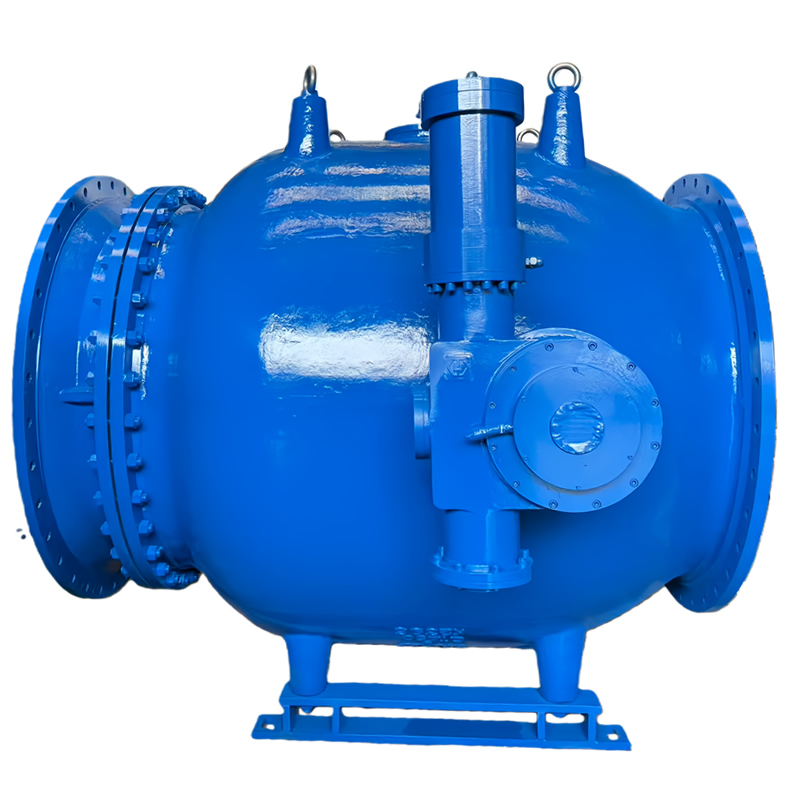
Another key design feature is the valve’s robust support structure, which includes a heavy-duty base and lifting lugs for safe handling and installation. The base provides stable support for the valve body, reducing stress on the pipeline connections and ensuring alignment under dynamic operating conditions. The lifting lugs, strategically positioned on the valve body, facilitate easy lifting and maneuvering using cranes or hoists, a critical consideration for large-diameter valves that can weigh several tons.
The valve’s external surface is coated with a high-performance, epoxy-based protective finish, applied using a multi-stage coating process that includes surface preparation, primer application, and topcoat finishing. This coating provides exceptional resistance to corrosion, UV radiation, and chemical exposure, ensuring the valve’s aesthetic and structural integrity even in outdoor or corrosive environments. The vibrant blue finish also enhances visibility, making it easier to identify the valve within complex pipeline layouts.
III. Manufacturing Process & Quality Assurance
The production of the TIANYU DN1500 PN6 flow and pressure control valve adheres to rigorous manufacturing processes and quality control protocols, ensuring that each unit meets or exceeds industry standards and customer expectations.
Body Fabrication
The valve body is manufactured using a state-of-the-art lost foam casting process, which delivers superior dimensional accuracy, surface finish, and structural integrity compared to traditional sand casting. The lost foam process involves creating a foam pattern of the valve body, which is coated with a refractory material and embedded in sand. Molten QT450 ductile iron is then poured into the mold, vaporizing the foam and filling the cavity. This process eliminates the need for core boxes, reducing tooling costs and enabling complex internal geometries to be produced with high precision. After casting, the body undergoes heat treatment, including normalization and tempering, to refine its microstructure, improve mechanical properties, and relieve internal stresses. This heat treatment ensures consistent tensile strength, impact resistance, and fatigue life across the entire component.
Seat Production
The 1Cr18Ni9 stainless steel valve seat is fabricated from hot-forged billets, which are then machined to precise dimensions using CNC (Computer Numerical Control) lathes and milling machines. The forging process enhances the material’s density and mechanical properties, ensuring uniform grain structure and resistance to deformation under pressure. The sealing surface of the seat is lapped and polished to a surface roughness of Ra ≤ 0.8 μm, ensuring a tight, leak-proof seal with the valve plug. Each seat undergoes non-destructive testing (NDT), including ultrasonic inspection and dye penetrant testing, to detect any internal defects or surface cracks that could compromise performance.
Assembly & Testing
The valve assembly process is conducted in a controlled, clean environment to prevent contamination and ensure precision alignment of components. Skilled technicians assemble the valve body, seat, plug, stem, and actuator, following detailed work instructions and quality checklists. Critical assembly steps, such as stem alignment and seat adjustment, are verified using precision measurement tools, including coordinate measuring machines (CMMs) and dial indicators, to ensure compliance with design specifications.
Before leaving the factory, each valve undergoes a comprehensive series of performance tests, in accordance with API 598 and GB/T 13927 standards. These tests include:
- Shell Test: A hydrostatic pressure test conducted at 1.5 times the rated pressure (PN9 for PN6 valves) to verify the body’s structural integrity and resistance to leakage.
- Seat Test: A hydrostatic or pneumatic pressure test conducted at 1.1 times the rated pressure to ensure the seat provides a bubble-tight seal under both forward and reverse flow conditions.
- Operational Test: A functional test of the electric actuator to verify its ability to open, close, and modulate the valve smoothly, with accurate position feedback and overload protection.
- Cavitation Test: A specialized test to evaluate the valve’s resistance to cavitation damage, conducted under simulated operating conditions to ensure the anti-cavitation trim performs as designed.
Quality Management
TIANYU maintains a certified ISO 9001:2015 quality management system, which governs all aspects of the manufacturing process, from raw material procurement to final product delivery. Raw materials, including QT450 ductile iron and 1Cr18Ni9 stainless steel, are sourced from approved suppliers and undergo rigorous incoming inspection, including chemical analysis and mechanical testing, to ensure compliance with material specifications.
The company’s quality control laboratory is equipped with advanced testing equipment, including spectrometers, hardness testers, and pressure testing rigs, enabling real-time monitoring of material properties and product performance. Additionally, TIANYU employs a team of experienced quality assurance engineers who conduct regular audits, process reviews, and non-destructive testing to identify and address potential issues before they impact product quality.
IV. Application Scenarios & Industry Relevance
The TIANYU DN1500 PN6 flow and pressure control valve is a versatile solution designed to meet the demands of a wide range of industrial and municipal applications, where precise flow regulation and pressure stabilization are critical to system performance and reliability.
Municipal Water Distribution Networks
In large-scale municipal water supply systems, the valve plays a vital role in maintaining consistent pressure across the network, preventing pipeline bursts, and ensuring equitable water distribution to residential, commercial, and industrial users. Its DN1500 capacity enables it to handle the high flow rates required by urban water networks, while the PN6 pressure rating is well-suited for the moderate operating pressures typical of these systems. The electric actuator supports remote control, allowing operators to adjust flow and pressure in real time in response to changing demand patterns, such as peak usage periods or maintenance activities. The anti-cavitation design also protects the valve and pipeline from damage caused by pressure transients, a common issue in water distribution systems.
Hydraulic Engineering Projects
In hydraulic engineering applications, such as pump stations, water diversion projects, and flood control systems, the valve is used to regulate flow rates and pressures to ensure efficient operation and prevent system overload. For example, in a pump station, the valve can be installed downstream of the pump to control discharge pressure, protecting the pump from cavitation and reducing energy consumption. In water diversion projects, it modulates flow between different pipelines or reservoirs, ensuring optimal water allocation and preventing erosion of channel beds. The valve’s robust construction and corrosion-resistant materials make it suitable for outdoor installation in harsh environmental conditions, including exposure to moisture, soil, and UV radiation.
Wastewater Treatment Plants
Wastewater treatment plants rely on precise flow control to optimize the performance of treatment processes, such as sedimentation, aeration, and disinfection. The TIANYU valve is used to regulate the flow of raw wastewater into the plant, as well as the discharge of treated effluent into receiving water bodies. Its 1Cr18Ni9 valve seat resists corrosion from the chemical and biological components of wastewater, ensuring long-term reliability and minimal maintenance. The electric actuator enables automated control, integrating with the plant’s SCADA system to adjust flow rates based on real-time process data, improving treatment efficiency and reducing operational costs.
Industrial Process Systems
In industrial applications, such as power generation, chemical processing, and pulp and paper manufacturing, the valve is used to control the flow of cooling water, process fluids, and wastewater. Its ability to handle large flow rates and moderate pressures makes it suitable for cooling water systems in power plants, where it regulates the flow of water to condensers and heat exchangers, ensuring optimal heat transfer and preventing equipment overheating. In chemical processing plants, it modulates the flow of raw materials and process fluids, maintaining consistent process conditions and reducing the risk of spills or leaks. The valve’s compliance with CE and API standards ensures it meets the strict safety and performance requirements of industrial environments.
Emergency Response & Pipeline Rehabilitation
The valve is also a critical component in emergency response and pipeline rehabilitation projects, where rapid deployment and reliable performance are essential. In the event of a pipeline rupture or leak, the valve can be used to isolate the affected section of the network, minimizing water loss and reducing the risk of property damage. Its flanged connection design allows for quick installation and removal, enabling emergency repairs to be completed efficiently. Additionally, in pipeline rehabilitation projects, the valve can be retrofitted into existing systems to upgrade flow control capabilities, improve pressure regulation, and enhance overall system reliability.
V. Compliance & Certification
The TIANYU DN1500 PN6 flow and pressure control valve is designed and manufactured in compliance with a comprehensive set of international and industry standards, ensuring its safety, performance, and interoperability with global pipeline systems.
International Standards
- API 600: This standard specifies the design, manufacturing, testing, and inspection requirements for steel gate valves, but its principles are widely adopted for other valve types, including control valves, to ensure structural integrity and performance. The valve adheres to API 600’s requirements for pressure-containing components, material selection, and testing protocols.
- API 598: This standard outlines the pressure testing and inspection procedures for industrial valves, ensuring that each valve meets strict leakage and performance criteria. The valve undergoes API 598-compliant testing to verify its shell integrity, seat sealing, and operational functionality.
- CE Marking: The valve is CE certified, confirming its compliance with the essential health, safety, and environmental protection requirements of the European Union’s Pressure Equipment Directive (PED) 2014/68/EU. This certification enables the valve to be marketed and used within the European Economic Area (EEA).
- GB/T 12233: This Chinese national standard specifies the general requirements for industrial valves, including design, manufacturing, and testing. The valve conforms to GB/T 12233’s requirements for material quality, dimensional accuracy, and performance testing.
- GB/T 1348: This standard specifies the technical requirements for ductile iron castings, ensuring that the QT450 valve body meets strict mechanical and chemical composition criteria.
- GB/T 1220: This standard specifies the technical requirements for stainless steel bars, ensuring that the 1Cr18Ni9 valve seat material meets corrosion resistance and mechanical property standards.
Quality Certifications
TIANYU holds ISO 9001:2015 certification for its quality management system, demonstrating its commitment to consistent quality and continuous improvement. The company also maintains certifications for environmental management (ISO 14001) and occupational health and safety (ISO 45001), ensuring that its manufacturing processes are environmentally sustainable and safe for employees.
These certifications and compliance with international standards provide customers with confidence in the valve’s performance, reliability, and safety, making it a trusted choice for critical infrastructure projects worldwide.