
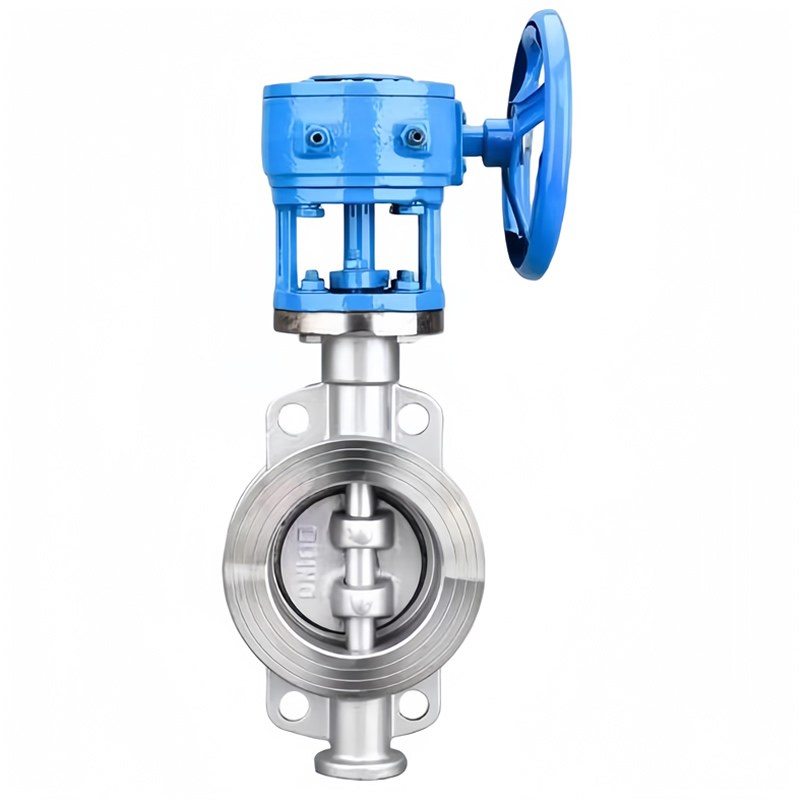
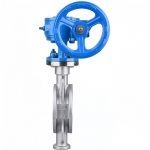
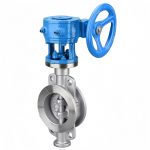
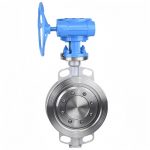
High – Performance ANSI 150LB Stainless Steel 304/316 Valve by TIANYU: A Comprehensive Guide
I. Title Incorporating Key Attributes
II. Introduction to the Stainless Steel Valve
III. Important Attribute Specification Parameters
A. Pressure Rating (ANSI 150LB)
B. Material – Stainless Steel 304 and 316
- Stainless Steel 304
- Composition and Properties: Stainless steel 304 is an austenitic stainless steel containing approximately 18% chromium and 8% nickel. This composition gives it excellent corrosion resistance in a variety of environments. The chromium forms a passive oxide layer on the surface of the steel, protecting it from oxidation and corrosion. It has good formability, making it suitable for manufacturing valves with complex shapes. In applications where the fluid is relatively non – aggressive, such as in the handling of clean water, beverages, or some mild chemicals, stainless steel 304 can provide long – lasting performance.
- Stainless Steel 316
- Composition and Properties: Stainless steel 316 is also an austenitic stainless steel, but it contains additional molybdenum (around 2 – 3%). The molybdenum significantly enhances its corrosion resistance, especially in chloride – containing environments. This makes it ideal for applications where the fluid may contain salts, such as in seawater systems, certain chemical processing with brine solutions, or in coastal industrial settings. It also has good high – temperature strength, allowing it to be used in applications where the operating temperature may rise.


IV. Features Description
A. Corrosion Resistance
- Passive Film Formation
Both stainless steel 304 and 316 in TIANYU’s valve form a passive film on their surfaces when exposed to oxygen. This film acts as a barrier, preventing further oxidation and corrosion. In the case of stainless steel 316, the presence of molybdenum improves the stability and integrity of this passive film, making it more resistant to pitting and crevice corrosion, especially in harsh environments.
- Applicability in Corrosive Environments
TIANYU’s valve can be used in a wide range of corrosive media. For example, in the chemical industry, when handling acids like acetic acid (for stainless steel 304 in dilute concentrations) or in more aggressive environments with sulfuric acid (where stainless steel 316 may be more appropriate), the valve can maintain its structural integrity and functionality over time.
B. High – Strength Construction
- Mechanical Properties of Stainless Steel
Stainless steel, especially in the 304 and 316 grades, has high tensile strength. This means that the valve can withstand significant internal pressure without deforming or failing. The high – strength nature of the material also allows it to endure external mechanical stresses, such as those from pipeline vibrations or thermal expansion and contraction. In industrial settings where pipelines may be subject to various forces, the TIANYU valve’s high – strength construction ensures its long – term reliability.
C. Tight Sealing
- Sealing Mechanisms
TIANYU’s valve is designed with precision – engineered sealing components. Depending on the type of valve (e.g., ball valve, gate valve, etc.), the sealing surfaces are carefully machined to ensure a tight fit. For example, in a ball valve, the ball and the seat are designed to create a seal that prevents leakage. The use of high – quality sealing materials, often compatible with the stainless – steel body, further enhances the sealing performance. This tight – sealing feature is crucial in applications where fluid containment is essential, such as in the transportation of hazardous chemicals or in high – purity fluid systems.
V. Manufacturing Process
A. Raw Material Selection
- Quality Assurance of Stainless Steel
TIANYU sources high – quality stainless – steel raw materials from reputable suppliers. The stainless – steel alloys are carefully inspected to ensure they meet the required chemical composition and mechanical property standards. For stainless steel 304 and 316, the chromium, nickel, and molybdenum (in the case of 316) contents are verified through chemical analysis. The raw materials also undergo physical tests to check for any inclusions or defects that could affect the final valve quality.
B. Forging or Casting (Depending on Valve Type)
- Forging Process
- Steps: If the valve is to be forged, the stainless – steel billet is heated to a suitable temperature range. For stainless steel, this is typically around 1050 – 1250°C. Once heated, the billet is placed in a forging press or hammer. The forging process involves shaping the metal by applying compressive forces, which refine the grain structure of the steel. This results in a more homogeneous and stronger material. For example, in the forging of a valve body, the billet is gradually shaped into the desired form, with multiple passes to ensure proper shaping and density.
- Casting Process
- Steps: In the case of casting, a mold is created based on the design of the valve. The mold can be made of sand, metal, or other suitable materials. The stainless – steel is melted in a furnace, such as an electric arc furnace or an induction furnace. The molten metal is then poured into the mold. After solidification, the casting is removed from the mold. Casting allows for the production of complex – shaped valve components with relatively less machining required compared to forging. However, careful control of the casting process is necessary to avoid defects such as porosity or shrinkage.
C. Machining
- Precision Machining Operations
After forging or casting, the valve components undergo extensive machining. This includes operations such as turning, milling, drilling, and grinding. Turning is used to create cylindrical surfaces, such as the valve stem or the inner bore of the valve body. Milling is employed to create flat surfaces, slots, or to cut gears (if applicable). Drilling is used to create holes for bolts, fluid passageways, or for actuator connections. Grinding is used to achieve high – precision surface finishes, especially on sealing surfaces. The machining processes are carried out using computer – numerical – control (CNC) machines to ensure consistent accuracy and repeatability.
D. Heat Treatment
- Annealing and Stress Relieving
For both forging and casting processes, heat treatment is often necessary. Annealing is performed to relieve internal stresses in the stainless – steel components. This is typically done by heating the valve to a specific temperature (around 1050 – 1100°C for stainless steel 304 and 316) and then slowly cooling it. Stress – relieving heat treatment helps to prevent cracking and distortion during subsequent machining and in – service use. It also improves the ductility of the material, making it more resistant to fatigue.
E. Assembly
- Component Inspection
Before assembly, all valve components are thoroughly inspected. The machined parts are checked for dimensional accuracy, surface finish, and any signs of defects. Sealing components are inspected for proper shape, flexibility, and material integrity. Actuator components (if the valve is actuated) are also inspected to ensure they are in good working condition.
- Assembly Procedures
The valve is assembled in a clean and controlled environment. The components are carefully fitted together according to the design specifications. Sealing elements are installed with precision to ensure a proper seal. Bolts and fasteners are tightened to the recommended torque values to ensure the integrity of the assembly. After assembly, the valve undergoes a final functional test to ensure that it operates smoothly and meets the performance requirements.
VI. Product Advantages
A. Corrosion – Resistant Performance
- Long – Term Durability
The use of stainless steel 304 and 316 in TIANYU’s valve provides excellent corrosion resistance, which translates into long – term durability. In environments where other materials may corrode and fail, these stainless – steel valves can continue to operate effectively. For example, in a coastal power plant where seawater is used for cooling, a stainless – steel 316 valve can withstand the corrosive effects of the seawater for many years, reducing the need for frequent valve replacements and associated downtime.
- Reduced Maintenance
Due to their corrosion – resistant properties, TIANYU’s valves require less maintenance. There is no need for frequent painting or other corrosion – protection measures as would be required for carbon – steel valves. This not only saves on maintenance costs but also reduces the labor required for upkeep, allowing plant operators to focus on other critical aspects of their operations.
B. High – Quality Construction
- Superior Mechanical Properties
The high – strength nature of stainless steel 304 and 316, combined with the precise manufacturing processes used by TIANYU, results in a valve with superior mechanical properties. The valve can withstand high pressures, thermal stresses, and mechanical vibrations without compromising its performance. In high – pressure pipeline systems in refineries, the TIANYU valve can maintain its structural integrity, ensuring the safe and efficient transportation of fluids.
- Tight Sealing Performance
The tight – sealing design of TIANYU’s valve is a significant advantage. It prevents leakage, which is crucial in applications where fluid loss could lead to product loss, environmental pollution, or safety hazards. In chemical plants handling toxic or flammable substances, the tight – sealing valve ensures that there are no leaks, enhancing the overall safety of the facility.
C. Versatility
- Fluid Compatibility
TIANYU’s ANSI 150LB stainless – steel valve is compatible with a wide range of fluids. Whether it is water, acids, alkalis, or organic solvents, the appropriate grade of stainless steel (304 or 316) can be selected to handle the fluid. This makes it suitable for use in diverse industries such as chemical processing, food and beverage, pharmaceuticals, and water treatment.
- Temperature Range
The valve can operate over a relatively wide temperature range. Stainless steel 304 can be used in applications with temperatures ranging from cryogenic temperatures up to around 870°C, while stainless steel 316 can handle slightly higher temperatures, up to around 980°C in some cases. This allows the valve to be used in processes where there are significant temperature variations, such as in heat – exchange systems or in high – temperature chemical reactions.
VII. Product Applications
A. Chemical Processing Industry
- Acid and Alkali Handling
In chemical processing plants, acids and alkalis are commonly used. TIANYU’s stainless – steel valves can be used to control the flow of these corrosive substances. For example, in a sulfuric – acid manufacturing plant, stainless – steel 316 valves can be used to regulate the flow of sulfuric acid at various stages of the production process. The corrosion resistance of the stainless steel ensures that the valves can withstand the highly corrosive nature of the acid.
- Organic Solvent Transfer
Organic solvents are widely used in chemical synthesis processes. The ANSI 150LB stainless – steel valve can be used to transfer these solvents between different reaction vessels, storage tanks, and processing equipment. The tight – sealing feature of the valve prevents the leakage of volatile and potentially hazardous organic solvents.
B. Food and Beverage Industry
- Process Fluid Control
In the food and beverage industry, the need for clean and hygienic fluid control is paramount. TIANYU’s stainless – steel 304 valves are ideal for this purpose. They can be used to control the flow of water, milk, fruit juices, and other food – grade fluids. The smooth surface of the stainless – steel valve body and the tight – sealing design prevent the accumulation of bacteria and other contaminants, ensuring the quality and safety of the food products.
- Clean – in – Place (CIP) Systems
Clean – in – Place systems are used in food and beverage plants to clean the production equipment without disassembly. TIANYU’s valves can be integrated into these CIP systems. The corrosion resistance of the stainless steel allows the valves to withstand the cleaning agents used in the CIP process, while the tight – sealing feature ensures that the cleaning fluids are properly contained and do not contaminate the food – processing areas.
C. Pharmaceutical Industry
- High – Purity Fluid Handling
In the pharmaceutical industry, the handling of high – purity fluids is crucial. TIANYU’s stainless – steel valves, especially those made of stainless steel 316 for enhanced corrosion resistance, are used to control the flow of pharmaceutical ingredients, solvents, and purified water. The smooth inner surfaces of the valves prevent the adsorption of contaminants, and the tight – sealing design ensures that there is no cross – contamination between different fluid streams.
- Sterilization Processes
Pharmaceutical production often involves sterilization processes. The stainless – steel valves can withstand the high – temperature and high – pressure sterilization methods used, such as autoclaving. Their durability and corrosion resistance make them suitable for repeated use in these demanding sterilization procedures.
D. Water Treatment Industry
- Potable Water Supply
In water treatment plants for potable water supply, TIANYU’s stainless – steel 304 valves can be used to control the flow of water at various stages of treatment, from the initial intake to the distribution to consumers. The corrosion resistance of the stainless steel ensures that the valves do not contaminate the water with rust or other corrosion products, maintaining the quality of the potable water.
- Wastewater Treatment
In wastewater treatment plants, the valves need to handle a variety of substances, including solids, chemicals, and potentially corrosive wastewater. Stainless – steel 316 valves can be used in areas where the wastewater may contain higher levels of salts or other corrosive agents. The valves can withstand the harsh conditions in the wastewater treatment process and provide reliable flow control.
VIII. Summary of Product Advantages
RELATED
-
API 6D ASME B16.34 CE DN400 PN80 LF2 Carbon Steel Body 321 Stainless Steel Ball Full Welded Manual Light Stem Hard Seated Ball Valve
I. Product Overview & Core Specifications The TIANYU full welded ball valve stands as a high-performance fluid control component engineered for cr…
-
API 6D ASME B16.34 CE 2” 600LB A105 Carbon Steel Body DEVLON Soft Seated RF Flanged Connection Manual Handle DBB Double Block and Bleed Ball Valve
I. Product Overview & Core Specifications The TIANYU DBB double block and bleed ball valve is a precision-engineered fluid control solution purpos…
-
API 6D ASME B16.34 CE DN200/DN300/DN400 PN80 LF2 Carbon Steel Body 321 Stainless Steel Ball Full Welded Manual Stem Hard Seated Ball Valve
API 6D ASME B16.34 CE DN200/DN300/DN400 PN80 LF2 Carbon Steel Body 321 Stainless Steel Ball Full Welded Manual Stem Hard Seated Ball Valve is a premium high-pressure fluid control solution engineered for critical industrial applications, blending LF2 carbon steel’s structural strength with 321 stainless steel’s corrosion resistance and Stellite 6 hard seats’ durability. Its full welded design eliminates leak points, while the manual light stem ensures precise, reliable operation. Certified to API 6D, ASME, and CE standards, and backed by ISO 9001/API Q1 quality assurance, it excels in oil and gas transmission, petrochemical refining, and power generation. Fire-safe, low-emission, and maintainable, it delivers zero-leakage performance, regulatory compliance, and long-term value for large-flow, high-pressure pipeline systems worldwide.
-
API 600 EN 12516 CE DN80 PN10 WCB Carbon Steel Body EPDM Soft Seated Flanged Connection Pneumatic Actuated Diaphragm Valve
I. Product Overview & Core Specifications The TIANYU pneumatic actuated diaphragm valve stands as a robust, precision-engineered fluid control sol…
-
API 600 EN 12516 CE DN40 PN10 WCB Carbon Steel Body EPDM Soft Seated Flanged Connection Pneumatic Actuated Diaphragm Valve
I. Product Overview & Core Specifications The TIANYU pneumatic actuated diaphragm valve represents a precision-engineered fluid control solution t…
-
API 6D ANSI CLASS300 CE NACE MR0175 DN300 CF8/CF8M Stainless Steel 2PC Flanged Trunnion Mounted Ball Valve
API 6D ANSI CLASS300 CE NACE MR0175 DN300 CF8/CF8M Stainless Steel 2PC Flanged Trunnion Mounted Ball Valve by TIANYU I. Product Overview & Core Sp…